
How to Plan a Major Home Renovation Without Stress
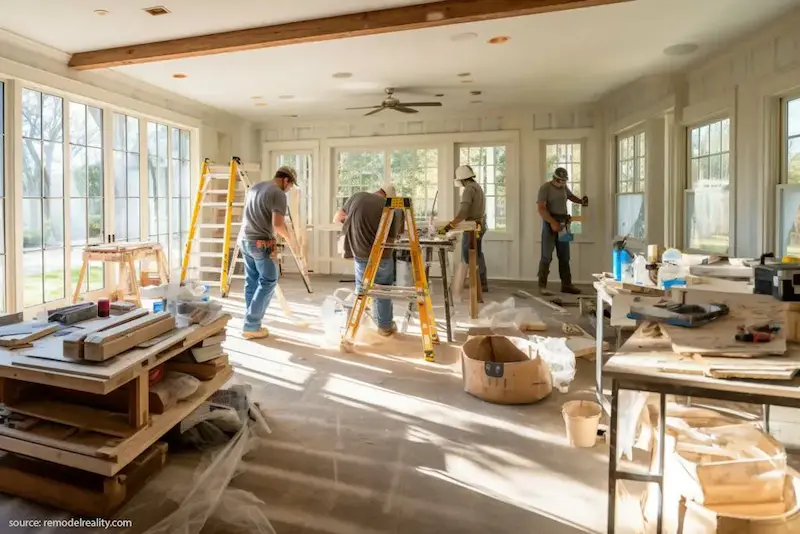
A major home renovation can be exciting, but it can also feel overwhelming. Whether you are remodeling a kitchen, updating bathrooms, finishing a basement, adding living space, or refreshing an older home, there are many decisions to make. Homeowners often need to think about budget, design, permits, contractors, timelines, materials, inspections, and how the renovation will affect daily life.
Without a clear plan, even a good project can become stressful. Delays, unexpected costs, miscommunication, and last-minute decisions can quickly take the joy out of improving your home. The good news is that many renovation headaches can be reduced with preparation and the right team.
A successful renovation does not happen by accident. It starts with realistic expectations, careful planning, and good communication. From choosing materials to hiring a contractor, every step matters. If the project involves electrical changes, working with an experienced electrician company early in the process can also help prevent problems later.
Here are practical ways to plan a major home renovation without unnecessary stress.
Start with a clear goal
Before calling contractors or choosing finishes, take time to define the purpose of the renovation. What problem are you trying to solve? Do you need more space, better function, updated style, improved safety, higher resale value, or more energy efficiency?
A kitchen remodel may be about creating better storage and cooking space. A bathroom renovation may be about replacing outdated fixtures and improving comfort. A whole-home renovation may be about modernizing an older property and making it safer for long-term use.
When the goal is clear, decisions become easier. Instead of choosing materials or layouts based only on what looks nice, you can ask whether each choice supports the purpose of the project.
It is also helpful to separate needs from wants. Needs are the items that must happen for the renovation to be successful. Wants are the features that would be nice if the budget allows. This distinction can reduce stress if adjustments are needed later.
Set a realistic budget
Budget stress is one of the biggest challenges in a major renovation. Many homeowners start with a general idea of what they want to spend, but they may not account for the full scope of the project.
A renovation budget should include more than materials and labor. It may also need to cover permits, inspections, design fees, demolition, disposal, temporary housing, appliance upgrades, electrical work, plumbing, structural repairs, paint, fixtures, hardware, and finishing details.
It is also wise to include a contingency fund for unexpected issues. Older homes, especially, may hide problems behind walls, under flooring, or above ceilings. Water damage, outdated wiring, plumbing concerns, framing issues, or code updates can add cost once work begins.
A realistic budget does not mean spending the most money possible. It means understanding the likely cost of the project and planning for surprises. This helps prevent panic when unexpected needs come up.
Research before making decisions
A major renovation involves many choices. Flooring, cabinets, countertops, lighting, paint colors, appliances, fixtures, tile, hardware, and layout decisions can all affect the final result. If homeowners wait until the last minute to make these choices, the project can become rushed and stressful.
Research early. Save photos of styles you like. Visit showrooms if needed. Compare materials, prices, durability, and maintenance requirements. Think about how each choice will work for your household, not just how it looks in a picture.
For example, a countertop may look beautiful but require more maintenance than you want. A light fixture may be stylish but not provide enough light for a work area. A flooring option may be attractive but not ideal for pets, children, or heavy traffic.
Good research helps you make confident decisions before the renovation schedule depends on them.
Choose the right professionals
The people you hire can make or break the renovation experience. A major project often requires a general contractor, specialty trades, designers, inspectors, and suppliers. Choosing experienced professionals helps reduce mistakes and improve communication.
Do not base the decision only on price. Ask about experience, licensing, insurance, references, project timelines, communication style, and what is included in the estimate. A cheaper quote may not be the best choice if it leaves out important details or leads to problems later.
For projects involving wiring, panels, lighting, outlets, circuits, or appliance connections, the right electrical professional is especially important. Electrical work affects safety, code compliance, convenience, and long-term function.
A good team should be able to explain the process clearly, answer questions, and help you understand what needs to happen before work begins.
Think through electrical needs early
Electrical planning is often overlooked until later in the renovation, but it should be considered early. Once walls are opened or layouts are changed, it is the perfect time to think about how the home will actually be used.
Consider outlet placement, lighting needs, dedicated circuits, panel capacity, smart home features, exterior lighting, bathroom ventilation, kitchen appliances, under-cabinet lighting, ceiling fans, charging stations, and future needs.
In a kitchen remodel, you may need outlets placed for small appliances, updated circuits for major appliances, and better lighting for cooking areas. In a home office, you may need more outlets, data connections, or improved lighting. In addition, the electrical system must be planned to support the new space safely.
Thinking through these details early can prevent frustrating changes later. It is much easier to plan wiring before walls are closed than to add features after the renovation is nearly complete.
Understand permits and code requirements
Many major renovations require permits. This may include structural changes, electrical work, plumbing, HVAC, additions, and significant remodeling. Permits help ensure the work meets local code and is inspected properly.
Some homeowners see permits as a hassle, but they are important. Unpermitted work can create safety concerns, insurance issues, resale problems, and expensive corrections later. If you plan to sell the home in the future, proper documentation can matter.
Your contractor or specialty trades should be familiar with local requirements. Ask who will be responsible for obtaining permits and scheduling inspections. Make sure this is clear before work begins.
Following code may also affect the budget and timeline. For example, an older home may need electrical upgrades to meet current safety standards. While this may add cost, it helps protect the home and the people living in it.
Create a realistic timeline
Renovations often take longer than homeowners expect. Materials may be delayed, inspections may need scheduling, weather may affect exterior work, and unexpected repairs may appear once demolition begins.
A realistic timeline helps reduce frustration. Ask your contractor about the expected schedule, major phases, and what could cause delays. Understand that some parts of the project must happen in a specific order. Electrical, plumbing, framing, inspections, drywall, flooring, cabinetry, paint, and finish work all depend on proper sequencing.
It is also helpful to avoid scheduling major events too close to the projected completion date. If you are planning a holiday gathering, family visit, or move-in deadline, build in extra time. Renovations can be unpredictable, and a little schedule flexibility can reduce stress.
Prepare your home before work begins
A renovation affects more than the room being remodeled. Dust, noise, workers, deliveries, and limited access can disrupt daily routines. Preparing your home before the project begins can make the process easier.
Move furniture, personal items, fragile belongings, and valuables away from the work area. Create clear paths for workers and deliveries. Protect items that need to stay nearby. If the renovation involves the kitchen, set up a temporary cooking area. If bathrooms are being remodeled, plan how your household will manage with limited access.
For larger projects, you may need to think about pets, children, parking, security, and storage. Talk with your contractor about where materials will be placed, which entrances workers will use, and how the work area will be separated from the rest of the home.
The more you prepare ahead of time, the less stressful the first day of work will feel.
Communicate clearly and often
Good communication is one of the most important parts of a smooth renovation. Homeowners and contractors should understand the scope, schedule, budget, materials, responsibilities, and decision-making process.
Before work begins, ask how communication will be handled. Will there be regular updates? Who is the main point of contact? How should questions be asked? What happens if a change is needed?
It is helpful to keep renovation notes in one place. This may include contracts, estimates, receipts, design choices, paint colors, appliance specifications, permit information, and communication records. Having everything organized makes it easier to answer questions and track decisions.
If something concerns you, address it early. Small misunderstandings can become bigger problems when they are not discussed. Clear, respectful communication helps keep the project moving in the right direction.
Avoid too many last-minute changes
Changes are sometimes necessary during a renovation. A hidden issue may be discovered, a material may become unavailable, or a design may need adjustment. However, unnecessary last-minute changes can increase cost, delay the project, and create stress.
Before work begins, try to make as many decisions as possible. Confirm layouts, finishes, fixtures, appliances, lighting, and other major details. If you are uncertain about something, discuss it before materials are ordered or installation begins.
When changes are needed, ask for the cost and timeline impact in writing. This helps avoid surprises. A change that seems small may affect multiple trades, inspections, or materials.
Thoughtful planning reduces the need for rushed decisions later.
Plan for daily life during the renovation
A major renovation can disrupt your normal routine. You may lose access to a kitchen, bathroom, laundry room, driveway, or living area. Noise may begin early. Dust may spread. Workers may come and go throughout the day.
Planning for daily life can reduce stress. If your kitchen is being remodeled, prepare simple meals ahead of time, set up a microwave or coffee station, and use disposable dishes if needed. If the renovation affects bedrooms or bathrooms, create a schedule that helps family members manage.
For families with children, explain what areas are off-limits and why. For pets, consider whether they should stay in a separate room, with a friend, or at daycare during noisy work.
A renovation is temporary, but the disruption can feel easier when you have a plan.
Pay attention to lighting
Lighting can completely change how a renovated space looks and functions. It is also one of the areas homeowners sometimes underestimate. A room can have beautiful finishes but still feel uncomfortable if the lighting is poor.
Plan for layers of lighting. This may include general lighting, task lighting, accent lighting, and natural light. Kitchens need bright work areas. Bathrooms need clear mirror lighting. Living rooms may need softer lighting options. Hallways, stairways, and exterior areas need safety-focused lighting.
Switch placement also matters. Think about how you enter and use each room. A light switch in the wrong location can become a daily frustration.
Good lighting planning often requires coordination between the homeowner, designer, contractor, and electrician company. When this is done early, the finished space is more comfortable and practical.
Choose durable materials
Renovation materials should fit your lifestyle. It is easy to be drawn to beautiful finishes, but durability and maintenance matter just as much.
Homes with children, pets, frequent guests, or heavy daily use may need materials that can handle wear. Flooring should match traffic levels. Countertops should fit cooking habits. Paint finishes should be washable where needed. Bathroom materials should handle moisture well.
Choosing durable materials can save money over time. A lower-cost option that wears quickly may not be the best value. On the other hand, the most expensive option is not always necessary. The goal is to choose materials that balance budget, appearance, maintenance, and long-term performance.
Expect the unexpected
Even with excellent planning, renovations can bring surprises. This is especially true in older homes. Once walls are opened, contractors may discover outdated wiring, hidden leaks, damaged framing, mold, pests, uneven floors, or previous work that was not done correctly.
These surprises can be frustrating, but they are often part of the renovation process. The best way to reduce stress is to expect that something may come up and prepare for it financially and emotionally.
A contingency fund, flexible timeline, and experienced professionals can help you respond calmly. When problems are discovered, ask for a clear explanation of the issue, the options, the cost, and the impact on the schedule.
Unexpected repairs may not be fun, but addressing them properly helps protect the long-term value and safety of the home.
Keep the big picture in mind
During a renovation, it is easy to get frustrated by dust, delays, noise, and decisions. When that happens, remember why you started. The goal is to create a home that works better for your life.
A few difficult weeks or months can lead to years of improved comfort, function, and enjoyment. A better kitchen can make daily routines easier. An updated bathroom can improve comfort. An addition can give your family needed space. Electrical upgrades can make the home safer and more convenient.
Keeping the big picture in mind can help you stay patient when the process feels inconvenient.
Plan Carefully for a Smoother Renovation
A major home renovation does not have to be overwhelming. With the right planning, realistic expectations, and experienced professionals, homeowners can reduce stress and feel more confident throughout the process.
To make your renovation smoother, remember to:
- Define your goals clearly
- Separate needs from wants
- Set a realistic budget
- Include a contingency fund
- Research materials early
- Choose qualified professionals
- Plan electrical needs before walls are closed
- Understand permits and inspections
- Create a realistic timeline
- Prepare your home before work begins
- Communicate clearly
- Avoid unnecessary last-minute changes
- Plan for daily life during the project
- Choose durable materials
- Expect some surprises
- Keep the final goal in mind
A renovation is a major investment in your home. Taking time to plan carefully can help prevent stress, control costs, and create a finished space that serves your household well for years to come.