Summer Lawn Mowing Tips to Keep Grass from Turning Brown
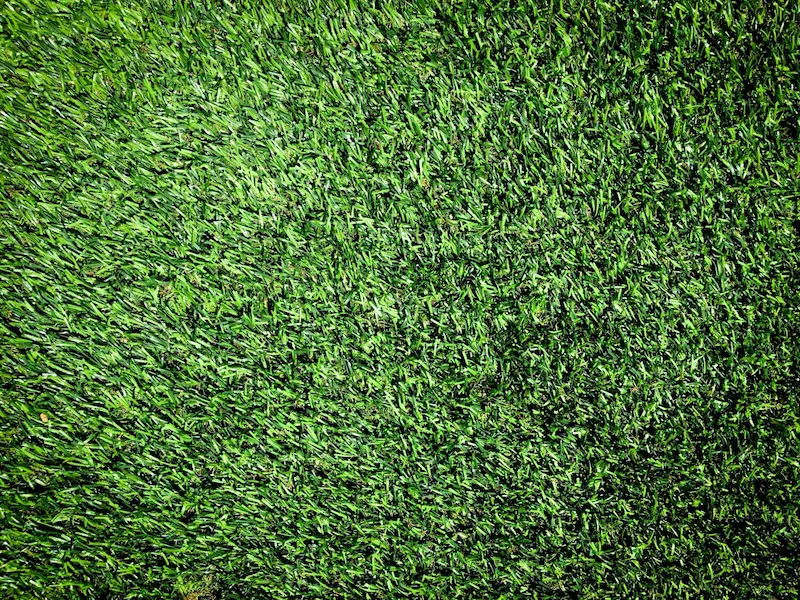
Summer can be tough on a lawn. Between high temperatures, strong sun, heavy foot traffic, dry spells, and sudden storms, grass can quickly go from green and healthy to dull, stressed, and brown. Many homeowners assume brown grass means the lawn simply needs more water, but mowing habits can also play a major role.
How you mow during the summer affects the health of the grass. Cutting too short, mowing at the wrong time, using dull blades, or removing too much growth at once can weaken the lawn and make it more vulnerable to heat stress. On the other hand, the right mowing routine can help grass stay stronger, hold moisture better, and recover more easily during hot weather.
Keeping a lawn healthy in summer does not always require complicated treatments. Often, small changes in mowing habits can make a noticeable difference. Whether you care for your yard yourself or hire a lawn mowing service, understanding these summer mowing tips can help protect your grass from turning brown.
Mow at the right height
One of the most important summer mowing tips is to avoid cutting the grass too short. Many homeowners think shorter grass means they can mow less often, but scalping the lawn can cause serious stress during hot weather.
Grass blades help shade the soil. When grass is cut too low, more sunlight reaches the ground, causing the soil to dry out faster. Short grass also has less blade surface to support healthy growth, which can weaken the plant over time.
During summer, it is usually better to keep the grass a little taller. Taller grass can help protect the roots, hold moisture, and reduce weed pressure. A slightly higher mowing height gives the lawn a better chance to stay green during periods of heat.
The best mowing height depends on the type of grass, but the general idea is simple: do not cut more than necessary. If your lawn looks stressed, raising the mower height may help it recover.
Follow the one-third rule
The one-third rule is a simple guideline that can help prevent mowing stress. It means you should never remove more than one-third of the grass blade in a single mowing.
For example, if the grass has grown tall after rain or a busy week, it may be tempting to cut it down all at once. But removing too much at one time can shock the lawn. The grass may turn yellow or brown because it has lost too much of its energy-producing blade surface.
If the lawn becomes overgrown, it is better to mow gradually. Cut it once at a higher setting, then mow again a few days later if needed. This helps the grass adjust without putting it under severe stress.
Following the one-third rule is especially important in summer because grass is already dealing with heat and possible moisture stress. Gentle, consistent mowing is better than aggressive cutting.
Keep mower blades sharp
Dull mower blades can damage grass. Instead of cutting cleanly, they tear the blades. Torn grass tips often turn brown, giving the lawn a dry or ragged appearance even if the roots are healthy.
Sharp blades create a clean cut, which helps grass heal faster. This reduces stress and lowers the risk of disease. During the summer, when lawns are already under pressure, clean cutting becomes even more important.
A good way to check blade sharpness is to look closely at the grass after mowing. If the tips appear shredded, frayed, or white, the mower blade may be dull. Sharpening or replacing the blade can improve the look and health of the lawn.
Homeowners who mow frequently may need to sharpen blades more than once during the growing season. Those who use a professional service should make sure the company maintains its equipment properly.
Avoid mowing during the hottest part of the day
Mowing in the middle of a hot summer afternoon can stress both the lawn and the person doing the work. Grass loses moisture more quickly during extreme heat, and mowing at that time can make the stress worse.
The best time to mow is usually in the morning after the dew has dried or in the early evening when temperatures begin to cool. Mowing wet grass is not ideal because it can clump, clog the mower, and create uneven cuts. But mowing during peak heat can be even harder on the lawn.
Early evening can be a good option because the grass has time to recover overnight. However, it should not be so late that moisture remains on freshly cut grass for too long, especially in areas where lawn disease is a concern.
Timing matters because mowing is a form of stress. Choosing a cooler part of the day helps the grass recover more comfortably.
Do not mow during drought stress
When grass is under severe drought stress, mowing can make the problem worse. Grass that is dry, brittle, and not actively growing may not need to be cut. Mowing it anyway can damage the blades and increase browning.
Signs of drought stress may include grass that looks grayish, footprints that remain visible after walking across the lawn, curled blades, or areas that feel dry and crunchy. If the lawn is not growing, it is usually better to wait.
During dry periods, reduce mowing frequency and raise the mower height. This helps the grass conserve energy and moisture. Once rain returns or watering improves the lawn’s condition, mowing can resume more normally.
It is important to understand that some browning during summer may be dormancy rather than death. Certain grass types go dormant to survive drought. Mowing dormant grass too aggressively can slow recovery.
Change mowing patterns
Mowing the same direction every time can create ruts, soil compaction, and uneven growth patterns. Changing your mowing direction helps prevent the grass from being pushed the same way repeatedly.
For example, mow north to south one week and east to west the next. You can also use diagonal patterns from time to time. This encourages grass to grow more upright and reduces wear on the same areas.
Changing patterns is especially helpful in summer when soil may be softer after storms or harder during dry conditions. Repeated mower traffic in the same path can stress the lawn and contribute to thin or brown areas.
A varied mowing pattern also improves the finished look of the lawn. It can create a cleaner, more even appearance while supporting healthier growth.
Leave grass clippings when appropriate
Grass clippings can be helpful when they are small and evenly distributed. They break down quickly and return nutrients to the soil. This process is sometimes called grasscycling, and it can support lawn health without extra effort.
Many homeowners bag clippings because they think leaving them will cause thatch. In most cases, short clippings do not create thatch. Thatch is more related to roots, stems, and organic buildup than normal grass clippings.
However, clippings should be removed if they are wet, heavy, clumped, or excessive. Large clumps can block sunlight and trap moisture, which may damage the grass underneath.
When mowing regularly and following the one-third rule, leaving clippings can be a smart summer lawn care habit. It helps conserve nutrients and may reduce the need for extra fertilizer.
Water deeply and mow wisely
Mowing and watering work together. A lawn that is watered shallowly may develop shallow roots, making it more vulnerable to heat. Deep, less frequent watering encourages roots to grow deeper into the soil.
The best watering schedule depends on grass type, soil, weather, and local watering rules. However, many lawns do better with deeper watering rather than light daily sprinkling. Watering early in the morning is often best because it gives the lawn moisture before the heat of the day and allows blades to dry.
Try to avoid mowing immediately after watering. Wet grass can bend instead of cutting cleanly, and the mower may leave ruts in soft soil. Mowing wet grass can also create clumps that smother the lawn.
A healthy summer routine includes both proper watering and proper mowing. One without the other may not be enough to keep grass looking good through the hottest months.
Watch for signs of mowing stress
Your lawn often gives clues when mowing habits need to change. Brown tips, uneven color, thinning areas, visible tire tracks, or slow recovery after mowing may all indicate stress.
If grass tips turn brown shortly after mowing, dull blades or cutting too short may be the cause. If the lawn looks yellow after mowing, too much grass may have been removed. If some areas brown faster than others, those spots may be receiving more sun, less water, or more foot traffic.
Paying attention to these signs helps homeowners adjust before the lawn gets worse. Sometimes the solution is simple, such as raising the mower height, sharpening blades, mowing later in the day, or reducing frequency during dry weather.
Summer lawn care should be flexible. The best mowing schedule is not always the same every week because weather and growth rates change.
Be careful with slopes and uneven areas
Slopes, bumps, and uneven areas can be more likely to scalp during mowing. When a mower passes over high spots, the blade may cut the grass too low, creating brown patches.
To prevent this, mow uneven areas carefully and avoid setting the mower too low. If scalping happens often, the lawn may need leveling, soil correction, or changes in mowing direction.
Sloped areas may also dry out faster because water runs off instead of soaking in. These areas may turn brown sooner during the summer heat. Keeping grass slightly taller on slopes can help protect the soil and reduce stress.
Safety matters too. Mowing slopes requires caution, especially when the grass is wet or the ground is uneven. Take your time and use the proper equipment for the area.
Do not mow too frequently when growth slows
During spring, grass may grow quickly and require frequent mowing. But in the heat of summer, growth may slow down. If you continue mowing on the same schedule even when the grass has barely grown, you may be cutting unnecessarily.
Mowing should be based on grass height, not just the calendar. If the lawn has not grown enough to need mowing, wait. Cutting grass too often during heat stress can weaken it.
This is especially important during dry spells. A lawn that is conserving energy should not be disturbed more than necessary. Letting it grow slightly taller can help it stay healthier.
A professional lawn mowing service can also adjust schedules during summer conditions instead of mowing too aggressively every week.
Reduce foot traffic when the lawn is stressed
Summer parties, children playing, pets running, and frequent walking across the yard can all add stress to the grass. When the lawn is already dealing with heat or drought, heavy foot traffic can make brown patches worse.
Try to limit unnecessary traffic on stressed areas. Move play equipment, chairs, or outdoor games around so the same spots are not worn down repeatedly. If there is a natural walking path across the lawn, consider adding stepping stones or a walkway.
Mowing over heavily worn areas can make them look worse, especially if the grass is thin. Letting those areas recover before aggressive mowing can help.
A lawn is a living surface. During difficult summer conditions, it needs a little extra care and patience.
Consider your grass type
Different types of grass respond differently to summer heat. Warm-season grasses often grow actively during hot weather, while cool-season grasses may struggle or go dormant. Knowing your grass type helps you make better mowing decisions.
Some grasses perform best when kept shorter, while others benefit from a higher mowing height. Some recover quickly from stress, while others need more careful management. Local climate also matters.
If you are unsure what type of grass you have, a lawn care professional can help identify it and recommend a mowing height. This can prevent common mistakes, such as cutting a grass variety too short or watering it incorrectly.
Summer lawn care is not one-size-fits-all. The right plan depends on the lawn’s specific needs.
Keep mower wheels adjusted evenly
Uneven mower wheels can lead to uneven cutting. If one side of the mower is lower than the other, the lawn may appear striped in a bad way, with some areas cut too short and others left too tall.
Before mowing, check that the mower deck is level and the wheels are set evenly. This is a simple step, but it can prevent accidental scalping and patchy results.
Also make sure the mower is running properly. Poor equipment performance can affect cut quality. A mower that vibrates, stalls, or cuts unevenly may need maintenance.
Healthy mowing starts with reliable equipment. Even the best mowing strategy can fail if the mower is not working correctly.
Use shade and landscaping wisely
Some brown areas may not be caused by mowing alone. They may be related to sunlight, shade, soil, or drainage. However, mowing can either help or hurt these areas depending on how it is handled.
Shaded areas may grow more slowly and need less frequent mowing. Cutting them too often can thin the grass. Sunny areas may need taller grass to protect the soil from drying out.
Landscaping can also help protect the lawn. Mulch beds around trees, shrubs, and difficult mowing areas can reduce competition for water and prevent mower damage. In spots where grass struggles every summer, it may be better to use landscaping rather than forcing grass to grow.
Good lawn care includes knowing which areas need mowing and which areas may need a different solution.
Plan ahead before vacation
Summer vacations can interrupt lawn care routines. If grass grows too tall while you are away, cutting it back all at once when you return can stress the lawn.
Before leaving, mow at the proper height, not too short. If you will be gone for more than a week during active growth, consider arranging for mowing while you are away. This helps prevent overgrowth and reduces the need for a harsh cut later.
After returning, follow the one-third rule. If the grass is too tall, mow in stages over several days instead of cutting it down all at once.
Planning ahead helps protect the lawn and keeps it from becoming a bigger job later.
Help Your Lawn Stay Green Through the Summer Heat
Summer lawn care requires a careful balance. Grass needs to be maintained, but it should not be cut in a way that adds unnecessary stress. The goal is to help the lawn stay healthy, hold moisture, and recover from heat.
To keep grass from turning brown during summer, remember to:
- Mow at the right height
- Follow the one-third rule
- Keep mower blades sharp
- Avoid mowing during the hottest part of the day
- Wait during severe drought stress
- Change mowing patterns
- Leave fine grass clippings when appropriate
- Water deeply and mow after the grass has dried
- Watch for signs of mowing stress
- Be careful on slopes and uneven areas
- Adjust mowing frequency when growth slows
- Reduce foot traffic on stressed grass
- Understand your grass type
- Keep mower wheels level
- Plan ahead before vacation
A greener summer lawn often starts with better mowing habits. By cutting carefully, mowing at the right time, and adjusting to weather conditions, homeowners can reduce stress and help their grass stay healthier through the heat.
With consistent care and smart mowing choices, your lawn has a much better chance of staying green, strong, and attractive all summer long.