Key Takeaways:
- Plasma is a major fraction of blood, comprising approximately 55% of its volume and transporting proteins, ions, and nutrients across the body.
- Plasma donations are critically important for treating conditions such as hemophilia, immunodeficiencies, and severe burns.
- Donors can provide plasma every 28 days, substantially improving lives over extended periods of time through repeated gifts.
- Preparing for donation involves ensuring eligibility, staying hydrated, and avoiding meals high in fat.
- The donation procedure employs plasmapheresis, typically lasting 45 minutes to an hour.
- Post-donation care consists of hydration, light nourishment, and refraining from strenuous exertion for a day.
- San Diego is home to respected plasma donation centers like BioLife Plasma Services and CSL Plasma.
- Factors to consider when selecting a center encompass accreditation, staff professionalism, and comfort level.
- Scheduling donations in advance can enhance the experience through reduced wait times.
- For healthy individuals, regular plasma donation may total up to 13 times per year.
- Raising public awareness and sharing personal experiences can motivate others to donate plasma.
- Engaging with local organizations helps distribute information and increase participation in plasma donation.
Understanding the Importance of Plasma Donation
What is Plasma and Why is it Valuable?
Plasma, constituting approximately 55% of blood volume, is a light yellow fluid comprising around 90% water and 10% proteins, electrolytes, hormones, and other nutrients. It serves as the medium transporting these substances throughout the body, assisting in maintaining blood pressure and quantity while significantly contributing to immune function and coagulation. The proteins in plasma, such as albumin, globulins, and fibrinogen, play vital roles in the body’s responses to injury and infection, rendering plasma an incredibly valuable medical resource.
The value of plasma and its life-saving applications is especially evident in therapies for conditions such as hemophilia, immunodeficiency disorders, and severe burns, all of which frequently necessitate treatments derived from donor plasma. Since the human body does not independently produce sufficient quantities of these crucial proteins, regular plasma donation is indispensable within the healthcare system. Without a dedicated group of donors, many patients would be left without viable options, underscoring the urgent need for consistent plasma contributions.
Plasma Donation: A Lifesaving Contribution
Often considered an altruistic endeavor, plasma donation might reasonably be characterized as a lifeline for countless individuals suffering an array of ailments. Unlike whole blood donation, plasma donation allows for more frequent contributions, usually every 28 days, permitting donors to make a meaningful impact over the long term. During the donation procedure, known as plasmapheresis, plasma is separated from red and white blood cells and platelets through a process where blood is drawn from one arm, processed, and then blood components are returned to the donor’s body, ensuring their well-being while also aiding others.
Furthermore, the demand for plasma has surged recently, especially in response to disasters, chronic diseases, and rising requirements for therapies employing immunoglobulins and coagulation factors. Consequently, each individual plasma donation has the potential to save multiple lives and substantially improve quality of life for many patients.
Who Benefits from Plasma Donations?
The beneficiaries of plasma span a wide range and include many facing life-threatening situations. Hospitals rely heavily on donated plasma to treat patients suffering severe trauma, burns, or undergoing intensive surgery. Specific conditions frequently requiring plasma therapies involve blood clotting disorders like hemophilia, where patients need regular clotting factor from plasma simply to function, as well as autoimmune diseases that demand plasma to regulate or supplement a ravaged immune system. Moreover, liver transplant patients and individuals with chronic kidney disease are highly dependent on plasma for survival.
In addition to aiding individuals, plasma donation plays a pivotal role in public health preparedness and crises response. During outbreaks such as the ongoing COVID-19 pandemic, convalescent plasma collected from recovered patients has shown promise as a potential treatment option, underscoring plasma medicine’s adaptability against emerging health dangers. In closing, by generously giving plasma, people positively touch a diverse array of recipients desperate for such life-sustaining therapies.
Step-by-Step Guide to Donating Plasma in San Diego
Preparing for Your First Plasma Donation: Tips and Tricks
It is wise to prepare thoroughly for an initial plasma donation to ensure a smooth and pleasant experience. Firstly, be certain you satisfy all eligibility standards set by donation facilities. Typically, this means being at least 18 years of age, weighing no less than 110 pounds, and enjoying robust health free of chronic conditions impacting the blood. In addition, avoid heavy or fatty meals prior to your appointment, as lipid levels can influence the quality of plasma collected.
Staying hydrated is vital for a smooth donation experience. Drinking plenty of water in the days leading up can help expand plasma volume, making the donation procedure simpler and more efficient. It’s crucial to bring identification and be ready to answer basic medical and lifestyle inquiries to ensure safety for both yourself and the recipient. If you’ve had any fresh tattoos or piercings, be certain over a year has passed since the procedure to follow health protocols.
The Donation Process: What to Expect
On donation day, arrive at the plasma center with a good attitude. Anticipate checking in with staff who will escort you through the administrative process. Hormonal assessments and a brief health exam, like checking your blood pressure and hemoglobin levels, will occur before continuing. If you pass these preliminary evaluations, you’ll be led to a donation chair where the plasmapheresis equipment will be established.
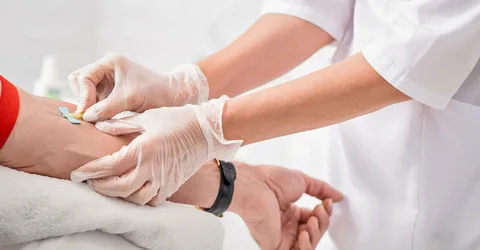
A sterile needle will be inserted into a vein in one arm, permitting blood to flow into a device that separates plasma from other components. This process generally takes between 45 minutes to an hour. Most donors report only mild discomfort, such as a prick during the needle insertion, and the sensation of warmth as plasma is returned to the body is commonly described as a gentle, non-intrusive feeling. As the donation progresses, trained staff will be nearby to monitor your comfort and health throughout the process. A relaxing environment is usually facilitated with comfortable seating, entertainment options, and reassuring staff dedicated to your care.
Post-Donation Care: Recovery and Hydration
After completing your plasma donation, prepare to embark upon a straightforward yet variable recovery process purposefully designed to help restore your energy levels and invigorate your well-being. Most centers provide donors with a selection of small refreshments such as assorted juices and an array of nutritious snacks to replenish lost nutrients. Remaining hydrated even after donating your plasma is absolutely crucial. Drink water consistently and replenish electrolytes for no less than twenty-four hours post-donation, since plasma predominantly consists of water. Small, protein-packed meals or carb-dense snacks can also aid in maintaining vigor.
Be attentive to how you feel in the hours following your donation. While the majority of donors depart centers feeling satisfactory, others may encounter lightheadedness or lassitude. Engaging in strenuous physical activity or laborious work for the remainder of the day is ill-advised to permit your body to recuperate sufficiently. If concerning symptoms surface, do not hesitate to contact the donation center’s personnel or consult a healthcare professional.
Finding the Right Plasma Donation Center in San Diego
Top Plasma Donation Centers: A Local’s Guide
San Diego is home to numerous plasma donation centers, and identifying the optimum one can be an elementary process. To donate plasma in San Diego, consider visiting the different websites or calling to gather information about their operational hours, required documentation, and any specific eligibility qualifications. Additionally, browsing online reviews and testimonials can offer insights into donor experiences, which can further guide your choice. Remember, the right center prioritizes donor experience and safety while maintaining adequate resources to satisfy local demand.
What to Look for in a Plasma Donation Center
When selecting a plasma donation center, several pivotal factors should be taken into account. To start, evaluate the center’s accreditation and reputation by confirming that it follows the strict regulations established by organizations, for example, the U.S. Food and Drug Administration (FDA) and meets state health standards. Facilities should undergo regular inspections, guaranteeing a commitment to maintaining the highest safety and sanitary practices throughout the donation process.
Furthermore, assess the center’s commitment to donor care and comfort. This can vary from staff professionalism and attentiveness to the cleanliness and overall ambiance of the space. Advanced technology and comfortable donation equipment signify forward-looking facilities that prioritize donor experience. Additionally, inquire whether the center offers flexible donation hours, which can be advantageous for donors with diverse schedules.
Scheduling Your Appointment: Tips for a Smooth Experience
Scheduling an appointment for plasma donation can enhance your experience by minimizing wait times and ensuring that sufficient staffing is available. Many plasma donation centers offer online scheduling systems, allowing you to choose a time that aligns with your schedule. Even if the center operates on a walk-in basis, booking in advance can help streamline the process.
When considering which appointment to choose, factors like hydration levels and energy reserves beforehand prove prudent; feeling one’s best enhances the experience of donating. Furthermore, inquiring about specifics during scheduling clarifies expectations and instills confidence, whether asking about compensation, the process itself or needed preparations.
Maximizing Your Impact as a Plasma Donor
How Often Can You Donate Plasma? Guidelines Explained
Understanding frequencies matters for maximizing donations. The FDA says healthy individuals may donate every 28 days for up to 13 donations yearly, reflecting replenishment needs to avoid health risks. Most centers also dictate schedules, so adhering proves key. Donating routinely aids patients continuously while establishing routines harmonizing with lives. Compensation models may further motivate regularly, as rewards appeal to some for contributions.
Engaging with Your Community: Spreading Awareness
Individual experiences motivate others for similar altruism. Raising local awareness amplifies plasma donation’s cause from solo acts to collective efforts. Participate in health events, fairs or social media spreading donation’s benefits; testimonials potentially inspire action. Sharing journeys and how donations aid those critically or chronically ill creates narratives resonating broadly.
Moreover, engaging with neighborhood groups or advocacy organizations that promote the cause can help broaden recruitment initiatives. Events such as delivering informative sessions at schools or community centers can unveil the plasma donation practice and address typical misconceptions that discourage potential donors. Remember, by interacting with your locality, you are adding to a more significant movement that tackles pressing health necessities.
Sharing Your Experience: The Ripple Effect of Donation
Relaying your plasma donation experience has an impossible to measure influence, generating a rippling effect that may rouse others to follow suit. Use platforms like social networking sites, blogs, community newsletters, or perhaps word of mouth to narrate your journey—highlighting not just the donation process but the tremendous satisfaction derived from understanding you are contributing to the health of others. Emphasize the positive facets of the donation experience; mentioning the aid from staff, the sense of community among donors, and the authentication of assisting patients in dire need can stir interest and empathy in others.
Transmitting personal anecdotes may be specifically influential. For example, sharing tales about persons you’ve met who have benefited from plasma donation offers a tangible link to the importance of giving. Furthermore, advocating recurring donations can position you as an influential figure in your community, as people often gravitate towards those who ardently share their experiences. Ultimately, your narrative may rouse an additional individual to commence their own journey as a life-saving plasma donor.