Pneumonia Vaccine: Everything You Must Know About the Vaccine

Pneumonia is a serious kind of lung infection that can be a result of various causes and can even be life-threatening for some people, mainly children and older adults. The infection starts with a viral, fungal or bacterial infection. The lungs get inflamed and the alveoli or small air sacs inside the organ gets filled up with fluid.
Pneumonia Vaccine
Mostly pneumonia occurs in infants, older adults and people with chronic health issues or weakened immune systems. Thankfully, with the advancement of medical science over the decades, there are vaccinations provided to prevent the disease. Pneumonia vaccine or pneumococcal vaccine is the most popular way that helps protect people from the infection. In this blog, we have discussed everything you should know about the pneumonia vaccine.
However, before talking about the pneumonia vaccine specifically, let us know about pneumococcal disease in general.
What is pneumococcal disease?
Pneumococcal disease is a type of infection caused by pneumococcus or Streptococcus pneumoniae bacteria. You might not even know about the bacteria living in your throat. The bacteria can spread through your mouth or nose, when you breathe, sneeze or cough.
Pneumococcal disease doesn’t just include pneumonia but various other illnesses, based on the organ infected. Some of the serious illnesses include:
- Pneumonia, a lung infection that results in fever, cough and difficulty breathing
- Bacterial meningitis is an infection of the spinal cor and covering of your brain that leads to coma, confusion and even death. It can also result in serious physical effects like paralysis or blindness.
- Bacteremia is a serious infection of your blood stream
- Otitimedia is an ear infection that causes swelling, fever, pain, irritability and sleeplessness
- Sinus infections
Why should you take the pneumonia vaccine?
Even though the pneumonia vaccine is not capable of preventing all the cases, it can definitely lower the chances of getting the illness. In case you already had the shot but still get affected by the infection, it would be a milder condition.
Older adults, younger individuals, people with weak immune system and people having chronic health issues are at a higher risk of pneumonia. If you belong to any of these categories, you should take the vaccination.
Who should get the vaccine?
People over 65 years of age: As you grow older, the immune system starts getting weaker as compared to when you were fit and young. So, people over the age of 65 will possibly have problems fighting the lung infection and should get the pneumonia vaccine.
People with weaker immune system: People affected by a serious disease are likely to have weaker immune system, which makes it difficult to fight off the pneumonia bugs.
If you are a heart patient, diabetic or have asthma, Chronic Obstructive Pulmonary Disease (COPD) or emphysema, you are at a higher risk of getting pneumonia. It is because of a weaker immune system. People who have undergone chemotherapy or organ transplant, and the ones having AIDS or HIV are also at a risk of pneumonia.
People who are smokers: If you have been smoking for a long time, the small hairs inside the lining of your lungs are mostly damaged. This damage makes it difficult to fight bad germs causing pneumonia.
People who drink a lot: If you are an alcoholic, you are more likely to have a weaker immune system than those who don’t drink at all or consume alcohol occasionally. Your WBCs (White Blood Cells) fail to function properly as compared to people having stronger immunity.
People recovering from a surgery or severe disease: If you were admitted to the ICU (Intensive Care Unit) and needed a ventilator to breathe, you might get affected by pneumonia. The same goes with people recovering from a surgery or a serious disease or injury. As the immune system works hard to help them recover from the condition, it tends to weaker while fighting the bad bacteria that cause pneumonia.
What are the types of pneumococcal vaccines?
Getting vaccinated against a pneumococcal bacterial infection will help you and your child to prevent any pneumococcal diseases like pneumonia (being the most common of all). It also prevents spreading the infection to the people around.
Vaccination is not always effective in preventing all the pneumococcal disease. But, as per the CDC (Centers for Disease Control and Prevention), getting vaccinated allows to prevent several pneumococcal infections
Basically, there are two types of pneumococcal vaccine
Pneumococcal Conjugate Vaccine or PCV13
It is a pneumococcal vaccine that offers protection from 13 strains of the pneumococcal bacteria that causes the disease in adults and children. It is given in one dose to adults and multiple doses to children.
Doctors suggest PCV13 for:
- Adults over 65 years of age
- Infants
- People between the age of 2 and 64 having serious health issues such as HIV, diabetes mellitus or chronic problems of lungs, heart, liver or kidneys
Pneumococcal Polysaccharide Vaccine or PPSV23
The second type of pneumococcal vaccine fights against 23 strains of the pneumococcal bacteria and is given in one dose.
Doctors suggest PPSV23 for:
- Adults above 65 years of age
- People from 2 to 64 years of age having health issues like HIV, diabetes mellitus or chronic problems of kidneys, heart, lungs or liver
- Adults from 19 to 64 years of age who smoke tobacco
Who should not take the vaccine?
There are some people who shouldn’t take the pneumococcal vaccination.
If you belong to any of the below-mentioned groups, you shouldn’t take the PCV13 vaccine:
- People who are ill presently
Individuals with a dangerous allergic reaction to:
- An earlier dose of PCV13
- A previous dose of PCV7, a pneumococcal vaccine
- A vaccine with DTaP (Diptheria Toxoid)
- Any of the components of PCV13 vaccine
If you belong to the below-mentioned category, you should avoid taking the PPSV32 vaccine:
- Pregnant woman
- People who are ill right now
Individuals who have an allergic reaction to:
- An earlier dose of PPSV23
- Any of the components present in PPSV23 vaccine
If you are doubtful of having any of these allergic reactions and want to get the pneumonia vaccine, talk to your doctor at the earliest.
How long does a pneumonia shot last?
The pneumonia vaccine or pneumonia shot helps prevent you any pneumococcal disease caused by Streptococcus pneumoniae. It can protect you and your family from any pneumococcal disease for several years.
What’s the difference between PPSV23 and PCV13?
When you seek your doctor or pneumococcal vaccination, he/she will give you any of these pneumonia vaccine – pneumococcal Polysaccharide Vaccine (Pneumovax 23 or PPSV23) or pneumococcal conjugate vaccine (Prevnar 13 or PCV13).
Let’s check out the difference between the two types of vaccines:
| PCV13 | PPSV23 |
| It protects you against 13 various strains of the pneumococcal bacteria | It protect you against 23 various strains of the pneumococcal bacteria |
| PCV13 is mostly given at four intervals to children below 2 years of age | PPSV23 is mostly given once to adult over 64 years of age |
| It is usually given only once to adults above 65 years and adults above 19 years, if they have an immune condition | It is given to anyone above 19 years who is a regular smoker of nicotine products like cigarettes or cigars |
Some important things to remember:
- Both these vaccines help in prevention of pneumococcal complications other than pneumonia, such as, meningitis and bacteremia.
- You might need to take more than two pneumonia shot in your life. A study conducted in 2016 revealed that if an adult is over 64, getting both PPSV23 and PCV13 can help provide total protection against all the bacteria strains that lead to pneumonia.
- Don’t get pneumonia shots at close intervals. It is advised to wait at least a year between both the shots.
- Ask your doctor if you are allergic to any of the components used in these pneumococcal vaccines before getting the shots.
What are the side-effects of pneumonia vaccine?
In most people, there are no side-effects after getting a pneumococcal vaccine. However, like any other medicines, there can be a slight chance of mild problems after taking vaccines. Mostly, the problems are mild and fade away in a few days, but in rare situation, it can get serious.
Mild side effects of getting the pneumococcal conjugate vaccine include:
- Swelling, redness and pain at the site of injection
- Fever
- Chills
- Headache
- Tiredness
- Loss of appetite
- Irritability or fussiness
You children getting PCV13 and an inactivated flu vaccine together can be are a higher risk of seizure (a cause of high fever. You need to talk to your doctor before getting this vaccine.
Mild problems after getting a pneumococcal polysaccharide vaccine include:
- Fever
- Redness and pain at the sight of injection
- Muscle aches
These side effects usually fade away in a couple of days
Possible side-effects after receiving any injected vaccine
- There are chances of fainting after the vaccination process. SO, you should at least sit or lie down for almost 15 minutes. Inform your doctor if you or your child has vision changes, feel dizzy, has ringing in the ears.
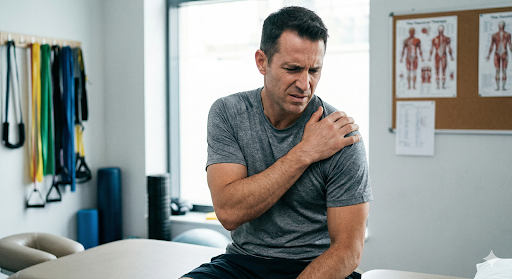
- Some individuals experience severe pain in the arm where the doctor injected the vaccine and it gets difficult moving it. However, this is a rare case.
- Any medicine can result in an allergic reaction. Thankfully, it doesn’t happen commonly in case of vaccination. Taking an estimate, only 1 in a million individuals taking injected vaccines encounter with severe allergic reactions. It can occur within a few minutes or hours post vaccination.
- In the rarest of cases, an injected vaccine can cause serious injury or death.
Where can I find pneumonia vaccine?
The best place to get pneumococcal or pneumonia vaccine is at the office of your healthcare professional.
Today, pneumococcal conjugate vaccine or PCV13 is included in the child immunization program. As such, you can easily find it at places like:
- Pediatric offices
- Community health clinics
- Family practice offices
- Public health departments
In case you want a pneumococcal vaccine for yourself or another adult and it is not available at the health professional’s clinic, ask them for a referral.
These days, pneumococcal vaccines for adults are also available at:
- Community health clinics
- Workplaces
- Pharmacies
- Health departments
- Other community centers
If you do not have a health care professional to seek help from, there are federally funded centers offering pneumococcal vaccines. For more information, contact your state health department and know the details about the places offering pneumonia vaccine in your area.
When getting a vaccine, ask your provider to list it in the local or state registry. This will help a healthcare professional know about the vaccines you or your child have received.
How do I pay for these vaccines?
There are many ways in which you can cover the pneumococcal vaccination costs:
Medicare
When you take two pneumonia shots at an interval of one year, Medicare Part B will cover the total cost of both the pneumococcal vaccines.
Private Health Insurance
Many types of private health insurances cover the cost of pneumococcal vaccines. Talk to your insurance provider for more details.
VFC or Vaccines for Children Program?
The VFC or Vaccines for Children Program offers vaccines to children whose guardians or parents are not able to afford the cost of the vaccines. The eligibility criteria for a child to get the benefits of VFC Program include the following conditions:
- They should be Medicaid-eligible
- You should be a native of Alaska, India or America
- They should be uninsured
- You should have under-insured health insurance. Such insurances do not cover vaccines
If you find that your child is VFC-eligible, check if your healthcare professional is one of the VFC providers in your community. For detailed information, you can call your local or state health department.
The Bottom Line
Pneumonia vaccine or pneumococcal vaccine helps prevent a pneumococcal disease like pneumonia, meningitis, etc. There are two types of pneumococcal vaccines – pneumococcal conjugate vaccine and pneumococcal polysaccharide vaccine. If you or your child fall under the criteria list of people who should take pneumonia vaccine, it is time you see your healthcare professional.